


Gender pay equity statement
Our approach
At Charter Hall, fair and consistent pay is fundamental to the way we do business. Ensuring our people are paid equitably for the work they do is core to how we operate and central to the environment we want to create, one where access to opportunity and progression is fair and transparent for everyone. Our internal reviews continue to confirm there are no gender pay gaps on a like‑for‑like role basis. This remains the foundation of our approach to pay equity.
Looking ahead, we know that building balanced representation across all levels is essential to making meaningful progress on gender equality. We’re committed to supporting the growth and progression of our female talent and strengthening the pathways that help people develop and advance.
While meaningful change takes time, we are confident that the foundations in place will support sustained progress over the longer term.
In line with WGEA’s updated requirements, we will shortly introduce three new gender equality targets, which will guide our next phase of action.
WGEA’s reporting takes a broader organisational view, comparing the median and average earnings of all women and all men, regardless of role, level or job family. Under this methodology, our 2024–25 results are:
- Median total remuneration: 32.5%
- Average total remuneration: 37.4%
When we reflect on the last three years, both our average and median gaps have trended downward, reflecting the impact of our long‑term work. While progress is not always linear, with some measures improving and others moving slightly backwards this year, the direction of travel remains positive.

A range of workforce and structural factors shape our gender pay gap results each year:
Balanced representation
Gender balance in senior leadership roles* continues to be a major driver of our whole‑of‑workforce average results under WGEA’s methodology. We’ve seen steady progress over time, and achieving balance at these senior levels has the greatest influence on our overall averages.
At the same time, increasing female representation within the middle layers of the organisation has the strongest impact on our median results. We’re well positioned to improve on both fronts, supported by strong female talent pipelines, structured development pathways, mentoring programs, and clear representation goals outlined in the “How We’re Taking Action” section.
Representation in revenue-generating pathways
Some roles, particularly revenue‑generating roles such as funds management and asset management, tend to have higher remuneration and have historically attracted a higher proportion of male employees. We’re working to change this. Since 2018, female representation in these roles has increased from 15.2% to 35.71% in 2025, and this remains an important focus area for us.
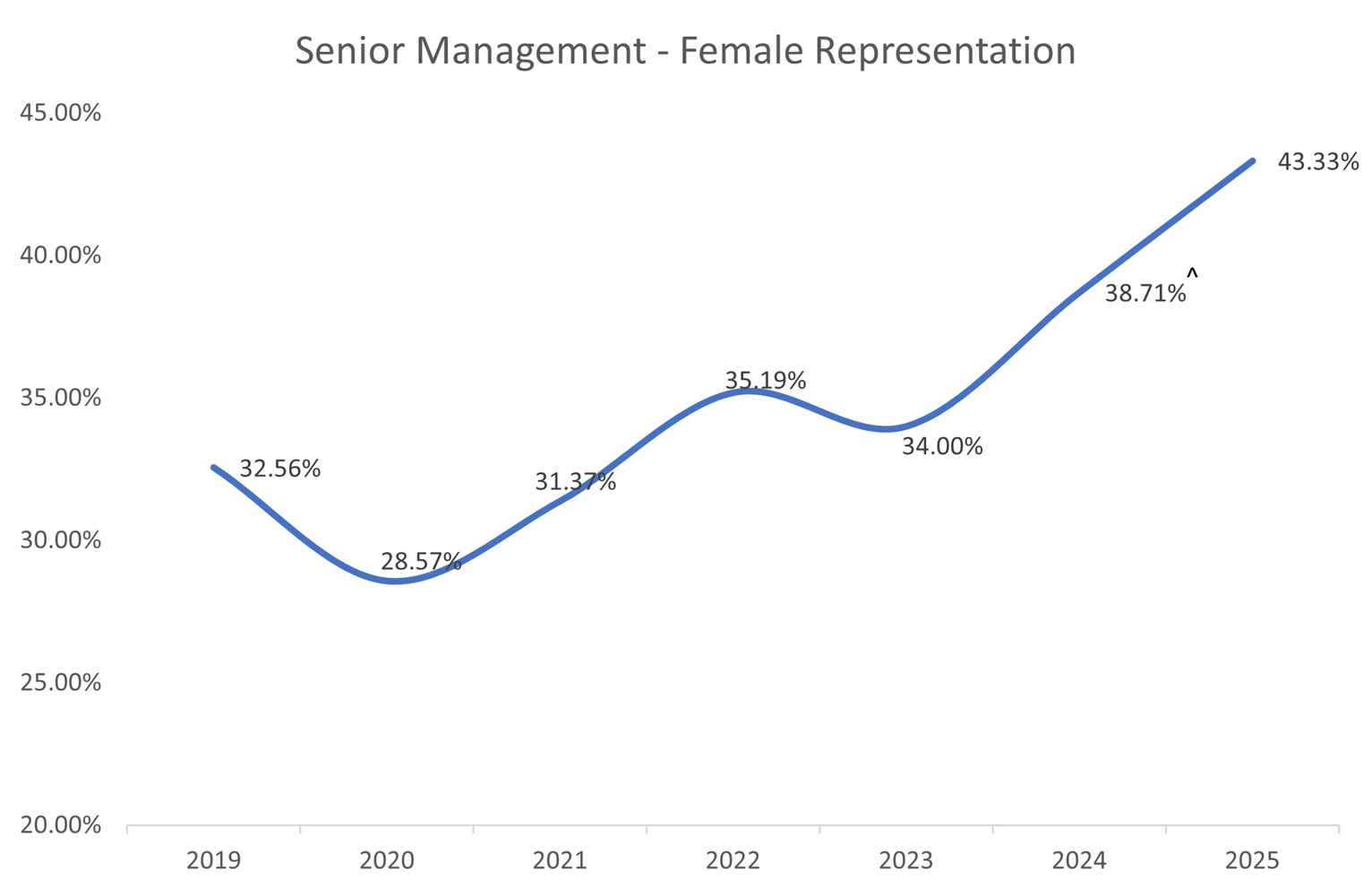
*Senior roles are defined as our Executive population and Executive-1 level roles that lead significant business functions and teams across the Group.
^Definition of senior management was changed effective 1 July 2024 to better reflect our key roles.
Total Remuneration and Incentives
Short‑term and long‑term incentives form a significant component of total remuneration at Charter Hall. In strong business performance years, these outcomes influence our reported average gap. We will continue monitoring these impacts carefully, particularly following recent changes to our remuneration structure to better recognise out-performance and long‑term value creation.
Connection for life
When you decide to join Charter Hall, you're not just starting a new job; you're forming a lifelong connection within a dynamic, diverse and supportive community.
Our Alumni program celebrates the bond we share and offers a way for us to come together, to meet, connect and partner.

Giving, your way
We want to empower our people to pursue their passions and find purpose. And for many employees, giving back is a meaningful way to make a difference and enrich their own lives.
When you work with us, you can volunteer – as part of a team or in your local community, take part in our dollar matching payroll giving program or raise money for charitable organisations. Whatever you choose, we provide the resources and support.


Want to know what it's like to work in the property industry?
Through our scholarship program you can get hands-on experience working at one of Australia’s leading integrated property groups, and gain access to potential job opportunities at the end of the program.
How we're taking action
We know many people would like to see progress happen more quickly, and we share that sentiment. While year‑to‑year results may fluctuate, we genuinely believe the foundations we’ve put in place over several years will drive stronger and more sustained progress over time. These foundations are already taking hold through the initiatives below, which continue to support career growth, fairness and inclusion across our business:

Annual pay equity reviews
We have conducted annual pay equity reviews each year for five years as part of our annual remuneration review to identify and rectify any gender-based pay disparities. We have historically provided an additional budget to leaders for closing any like-for-like pay gaps.
![Leading design[1]](/images/librariesprovider2/icons-logos/group-icons/leading-design-1.svg?sfvrsn=790d734c_8 "ICONS - LEADING DESIGN")
Leadership and mentoring program
We offer leadership development programs and mentorship opportunities to support the advancement of women into senior roles. We also identify key revenue-generating roles within our business that typically feed into senior management positions and support the growth of internal female talent into these roles.

Industry activism
We are a founding member of Property Champions of Change, bringing together the leading organisations across the property industry to ideate and deliver gender equity initiatives.

Flexible work arrangements
Whilst our primary place of work is the office, we promote a culture of flexible working (work from home, flexible start/finish times, and work-from-anywhere technology), with formal agreements in place for a transitionary period when returning from parental leave.

Recruitment and career development
We continually review and adjust our recruitment practices to ensure a diverse candidate pool and fair selection criteria. This includes diverse hiring panels and 50/50 gender shortlists when partnering with external agencies. We measure the percentage of promotions and career rotations that are female and provide gender insights for leaders on performance and talent assessments to identify any unconscious bias.

Policy changes
We are continually reviewing our policies to ensure fairness in our approach and encourage male uptake in caring roles.

More regular updates
Over the past 12 months, Charter Hall has improved the visibility of reporting to Executives and our people. This step is aimed at driving change through more regular reporting and oversight of gender pay equity at the Board, MD/CEO, and Executive

Gender equality targets
To guide our next phase of progress, we will soon be introducing three new gender equality targets, which will be shared publicly once finalised. These goals are designed to bring greater focus and clarity to our long‑term commitment to pay equity and representation.

-
© Charter Hall Group, 2026.
- Terms of Use
- Privacy Policy
- Complaints Guide

